

Spring Car Maintenance Checklist for Hyundai Owners
Refresh Your Ride: Essential Spring Maintenance for Your Hyundai
As the winter thaw gives way to spring, it’s the perfect time to rejuvenate your Hyundai and prepare it for the warmer months ahead. At Hiley Hyundai of Fort Worth, we understand the importance of seasonal maintenance to ensure your vehicle continues to perform at its best. Follow our spring car maintenance checklist to keep your Hyundai running smoothly, ensuring a safe, efficient, and enjoyable driving experience throughout the season.
Battery Check and Care
The average car battery lasts three to five years. If your Hyundai’s battery is nearing the end of its life span, you may want to consider replacing it this spring. Even if it’s not time for a replacement, it’s a good idea to check its health following the long winter.
To keep your car’s battery in tip-top shape, you’ll need a technician to check its charge and clean the terminals to ensure it has a good connection. It’s also wise to make sure it’s securely mounted to prevent potential problems this spring. Proper battery care protects the battery so that it lasts longer, ensuring your Hyundai continues to perform at its best.
Tire Inspection and Rotation
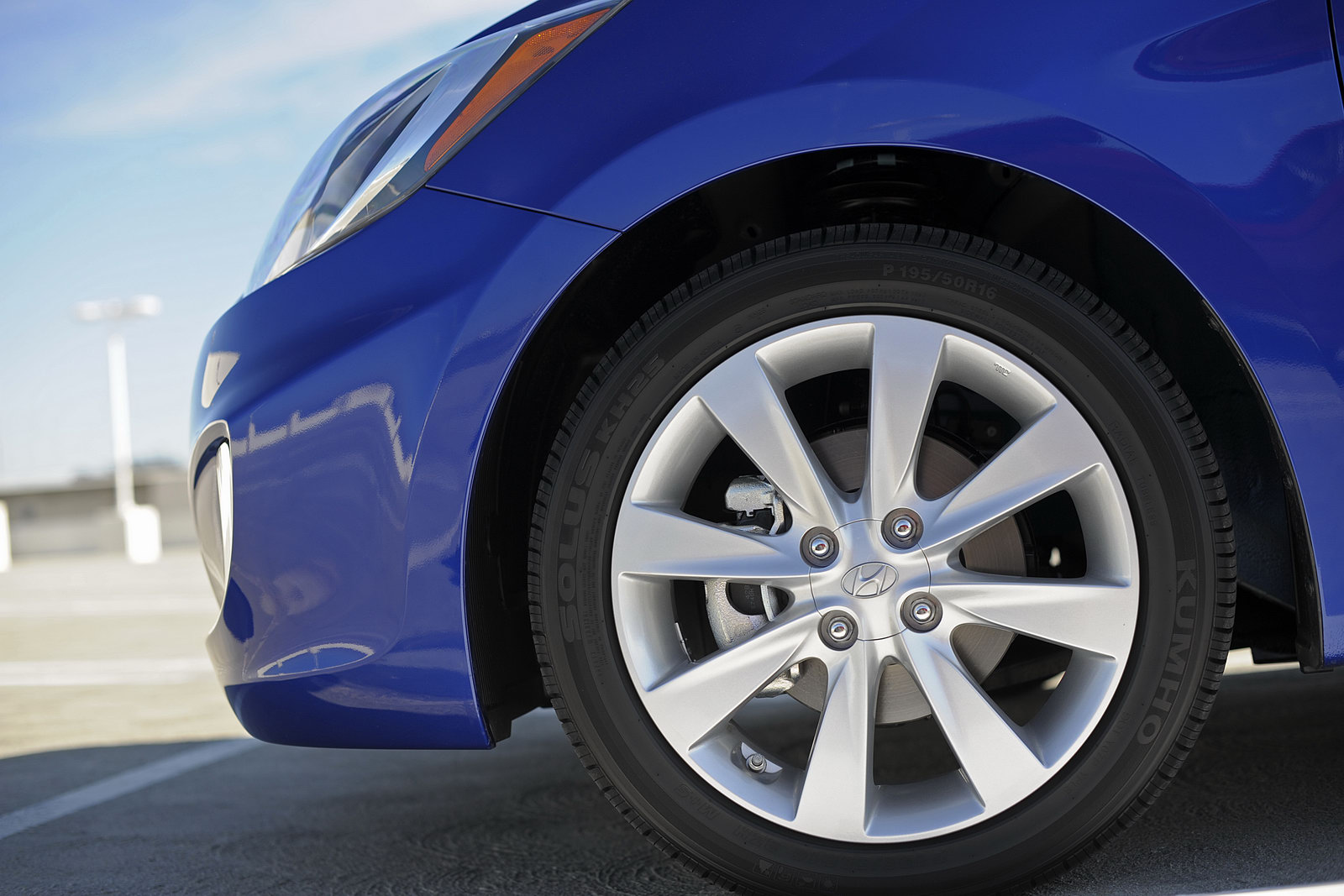
2012 Hyundai Accent (USA) by loubeat is licensed with CC BY 2.0 DEED
Rotating your Hyundai’s tires every 5,000 to 8,000 miles is essential to prevent uneven tire wear, improve handling, and extend their life span, saving you time and money. Regularly checking the tire pressure and adding air are also important parts of vehicle maintenance. You may want to replace the tires altogether if you inspect them and see excessive wear and tear.
If you routinely put winter tires on your Hyundai during the colder months, you’ll want to consider replacing them with all-season or summer tires. These tires deliver better handling and traction during the warmer months, especially during Fort Worth’s spring showers.
Fluid Levels and Replacement
You should check your car’s fluids once every month to ensure they’re clean and replace any that are low before problems arise. It’s crucial to do this at the start of spring. Make it a point to check the levels of the following fluids to keep your Hyundai running at its best:
- Engine oil.
- Coolant.
- Brake fluid.
- Transmission fluid.
- Windshield washer fluid.
Topping off the fluids or replacing them will keep everything from your car’s engine to its brakes and windshield in excellent shape. Use high-quality fluids from trusted names for the best results.
Brake System Inspection
Most brake systems last for anywhere from 25,000 to 65,000 miles. There are many parts in a brake system, including brake pads, rotors, and calipers. These parts can go bad at any time, so having your Hyundai’s entire brake system inspected when spring starts is a wise investment.
If your vehicle’s brakes are squealing or grinding when you push down on the brake pedal, it’s taking longer to stop than usual, or your Hyundai is pulling to one side when you brake, you’ll want to schedule a brake system inspection as soon as possible. An inspection can keep small brake issues from spiraling out of control and potentially putting you and others in danger this spring.
Air Conditioning System Check
The temperature in Fort Worth typically climbs into the 60s, 70s, or even the 80s in the spring. It won’t be long before the summer months bring heat waves that can regularly send the temperature soaring into the 90s. Checking the air conditioning (AC) system ensures it’s ready to go once it gets warm outside.
You don’t want to wait until the first scorching day in Fort Worth this spring only to discover your Hyundai’s AC system has stopped working. Schedule service for it to ensure you don’t have to deal with leaks, damage to hoses and belts, and other AC problems when you need it for your daily commute or family trip to one of the beaches near Fort Worth.
Wiper Blades and Lighting
April and May are usually the wettest months in the Fort Worth area, with several inches of rain routinely falling during these months. Check your Hyundai’s windshield wipers at the beginning of spring for any visible damage and replace them if necessary.
While you’re at it, check to see that all the interior and exterior lights on your Hyundai are working as they should. If any lights are out, replace them with new parts, as doing so can provide improved visibility and make it easier for others to see your vehicle when you’re traveling on Fort Worth’s busy roads.
Undercarriage and Suspension
If you drove your Hyundai on salted roads this winter, you’ll want to clean the exterior to make it shine. It’s also vital to check your car’s undercarriage and suspension system to ensure road salt hasn’t caused components underneath your car to rust or corrode.
Road salt can work wonders for keeping you safe when you’re driving in inclement weather, but it can wreak havoc on your car’s undercarriage if you aren’t careful. While having these parts inspected for signs of rust or corrosion, you can also have them checked for signs of wear and tear. Replacing any older parts can improve your car’s handling and ensure it’s safe to drive on Fort Worth’s roads.
Gear Up for Spring With Confidence in Your Hyundai
By working through this spring car maintenance checklist, you can prepare your Hyundai for the spring and summer months and pinpoint any small problems that could turn into much bigger issues. Our Hiley Hyundai of Fort Worth team would love to help you maintain your vehicle this spring and get it ready for what lies ahead. Contact us today to schedule an appointment with our service department and let us take care of your Hyundai’s maintenance needs.