

Maximizing Your Hyundai’s Fuel Efficiency: Tips and Tricks
Hyundais are great-looking vehicles inside and out, deliver excellent performance, and have various safety and infotainment features. They’re also highly fuel efficient, with even the large and family-oriented TUCSON having amazing ratings in its hybrid version. However, regardless of how good a vehicle’s fuel economy is, there are plenty of ways to improve it. Consider these tips and tricks to learn how to maximize fuel economy and take full advantage of Hyundai’s good gas mileage, which can save you money and help the environment.
Avoid Going Too Fast
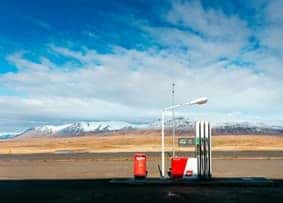
empty gas station near empty road facing snow capped mountain at daytime by Khamkéo is licensed with Unsplash License
Even if you have an open highway before you, going too fast isn’t a good idea. Besides increasing your safety risks, traveling at high speeds will make your Hyundai use more fuel than it has to. The answer to the question “What is the most fuel-efficient speed to drive at?” is around 50 mph, with even a 5 mph increase leading to a 7% drop in fuel economy. While this may not seem like much, it’ll add up over time, and you’ll pay more for fuel than you have to.
Don’t Be an Aggressive Driver
One of the first rules when learning how to save fuel when driving is to take it easy with the gas and brake pedals. Hard accelerations and sudden brakes also harm your safety and your Hyundai’s fuel economy. They’re also unpleasant for your passengers and annoying for everyone else around you. Going through city traffic while driving this way can increase your fuel consumption by up to 40%. This makes avoiding aggressive behavior behind the wheel one of the best ways to improve fuel economy.
Plan Ahead
Planning out your drives can do wonders for your Hyundai’s fuel efficiency. Avoid peak traffic times, as stop-and-go traffic will skyrocket your fuel consumption. The typical rush hours are between 7 a.m. and 9 a.m. and later in the afternoon between 4 p.m. and 6 p.m. If your schedule allows, try to plan your drives to avoid these times.
Being efficient with your trips will also help you save money on gas. Use navigation apps to find the shortest routes to your destinations. Also, try to group up your tasks. For instance, if you have to do your grocery shopping but also take a trip to the bank, find a place that has both within walking distance of a parking space. This way, you won’t have to do any extra driving.
Anticipate Traffic Situations
You can do many little things while driving to make your Hyundai use less fuel. For instance, if you’re driving and notice that the light has turned red a few hundred yards before you, there’s no point in accelerating, so you can just let the car slow down by itself. Also, while driving on the highway, using cruise control can lower your fuel consumption because it’ll keep your Hyundai at a steady speed, minimizing braking and acceleration.
Avoid Idling for Too Long
Hyundais are quiet, and you often won’t even notice your engine is on while you’re standing in a parking lot waiting for someone. However, you’re burning unnecessary fuel, so it’s a good idea to make a habit of turning your engine off when stopping somewhere, even for a few minutes.
Don’t Stand Still While Waiting for Your Engine To Heat Up
If you live in a colder climate, you’ll know the feeling of entering a freezing cold car in the morning. Older cars typically needed some time to warm up before hitting the road, but modern Hyundais no longer need that. You should give it about half a minute after starting the engine and then just start driving. This will help the engine reach its optimum temperature and maximize fuel efficiency. It’s also good for your engine’s longevity, as motor oil tends to get thicker in cold weather and lose some of its lubricating properties.
Monitor Your Tire Pressure
Drivers often neglect their tires, but properly inflated and relatively new tires can help with stability, road comfort, braking performance, and fuel efficiency. Not having the right tire pressure makes it much harder for your engine to push your Hyundai down the road, which leads to much higher fuel consumption. It’s also bad for your tires, and they’ll have a shorter life span if they’re constantly deflated.
Use Air Conditioning Only When Necessary
Having air conditioning in your car makes driving in hot weather much more pleasant and comfortable. It can also increase fuel consumption by up to 20%, so it’s best to avoid it when you can. Don’t leave it on throughout the summer, as you probably won’t need it on cooler days or when driving early in the morning and late at night.
Open the windows a little and let the fresh air in, or use the car’s vents when driving on the highway. When you do use it, try to choose the recirculation option. It minimizes extra fuel consumption and can keep harmful gases from entering your car when driving in stop-and-go traffic.
Don’t Carry Unnecessary Items
It makes sense that the heavier your car gets, the more fuel its engine will need to push it forward. Many drivers have heavy objects in their trunks that they don’t need and that they forget about. Even the tiniest difference in fuel consumption can add up over time, so make sure you store any heavy objects you don’t need on your trips somewhere else.
Get Hyundai Maintenance at Hiley Hyundai of Fort Worth
You can maximize your Hyundai’s fuel efficiency by performing all its maintenance operations in due time. These include changing the oil regularly and making sure your air and oil filters aren’t clogged. When the time comes to perform these operations or take care of regular seasonal maintenance, you can save time and money by taking your car to Hiley Hyundai of Fort Worth. Our service technicians are highly experienced and specifically trained to work on Hyundai models. Contact us today to schedule a service visit.
0 comment(s) so far on Maximizing Your Hyundai’s Fuel Efficiency: Tips and Tricks