

Things To Consider When Off-Roading In Dallas Fort Worth, TX for Hyundai Owners
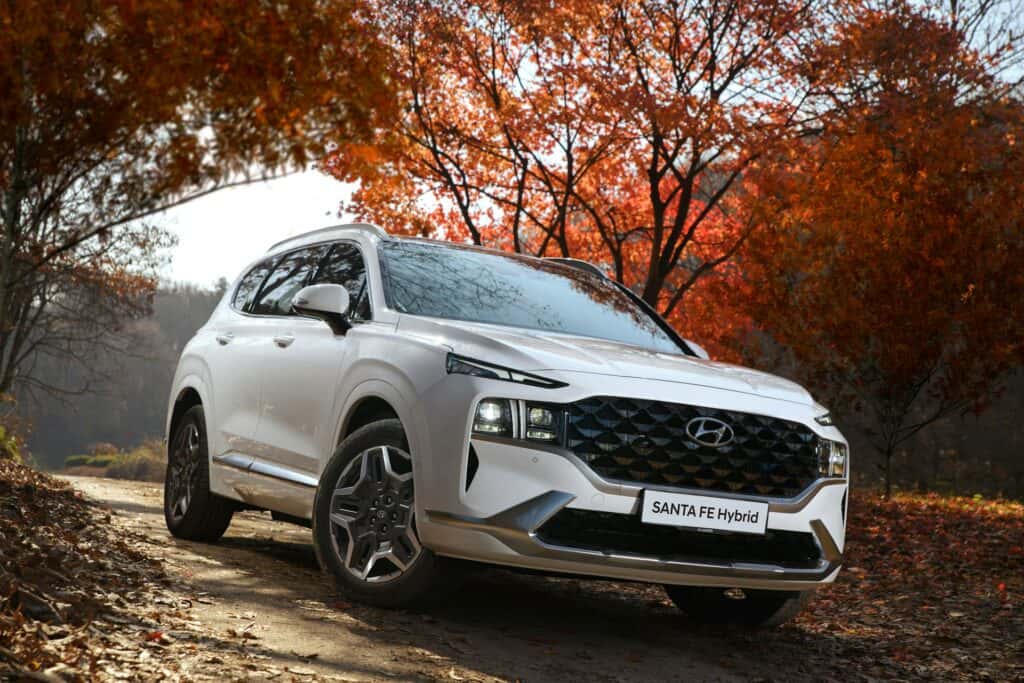
a white suv driving down a dirt road by Hyundai Motor Group is licensed with Unsplash License
Taking your Hyundai off the beaten path has caught on everywhere, and more drivers are discovering what their Hyundai SUVs and crossovers can do when the pavement ends. Before you hit those dusty trails, you’ll want to know your vehicle’s limits and prepare it properly. Our team at Hiley Hyundai walks you through what you need to know for safe, responsible off-roading in the Fort Worth area and beyond.
Understanding Your Hyundai’s Off-Road Capabilities
While Hyundai vehicles aren’t built for extreme trails, many handle light to moderate adventures well. Check your Hyundai SUV’s specs before venturing off-road so you know its limits. For example, ground clearance tells you which obstacles you can safely pass, while the approach, departure, and breakover angles reveal how steep you can drive without scraping. The HTRAC all-wheel-drive system in the SANTA FE and TUCSON models shifts power between wheels for better traction on loose surfaces, making gravel roads and gentle to moderate trails more manageable.
Key Specifications To Check
The 2025 SANTA CRUZ gives you 8.6 inches of ground clearance, while a base SANTA FE offers 7 inches and a SANTA FE XRT offers 8.3 inches. The XRT trim also boosts the approach angle to 19.3 degrees, departure angle to 22 degrees, and breakover angle to 19 degrees, helping to clear obstacles without scraping.
Tires can make all the difference. The SANTA FE XRT includes Pirelli all-terrain tires on 18-inch black wheels for a better grip. For trails, choose tires with deep treads and tough sidewalls to avoid punctures.
Traction Control
Your Hyundai’s traction control spots wheel slip and tweaks the brakes or power to keep your grip. This helps with mud, gravel, or slick grass that might otherwise send you sliding. You should usually leave traction control on when off-roading, but sometimes, you’ll want it turned off. In deep sand or snow, some wheel spin can help you move forward. To turn traction control off, press and hold the button until you see a warning light on your dashboard.
Planning Your Off-Road Journey
Smart planning prevents mishaps. Research your route’s difficulty, terrain, and hazards to match them to your vehicle’s abilities and your skill level.
Before you go, check your Hyundai carefully, including the battery terminals, brake and other fluids, air conditioning, tire pressure, and spare tire. Pack emergency supplies, such as a first aid kit, flashlight, jumper cables, tools, water, food, and blankets, and bring physical maps and a GPS for when cell service fails. Always share your route and return time with someone reliable.
Choosing the Right Terrain
Make sure you pick terrain your Hyundai can handle. For instance, SANTA FE models do well on dunes, beaches, and dirt roads. On sand, you should keep moving and drop your tire pressure a bit for a wider footprint, while on washboard roads, you’ll need to slow down to save your suspension. Skip deep mud, boulder fields, and steep hills that might wreck your car or strand you far from help. Always scout ahead, and turn back if needed.
Assessing Trail Difficulty
Trail ratings guide you to routes your Hyundai can traverse, and most rank trails from easy to extreme. Stick with easy or moderate ratings for Hyundai models. Easy means dirt or gravel with minor obstacles, and moderate includes some rocks, ruts, or small water crossings. Check for obstacles when selecting trails, and get detailed route information before heading out. Be honest about your driving skills and your Hyundai’s capabilities.
Essential Off-Road Gear for Your Hyundai
The right gear can save the day when things go sideways. Pack a roadside emergency kit and supplies for inclement weather. Don’t forget a power bank jump starter that handles up to 10-cylinder vehicles and charges phones via USB. Add recovery gear such as tow straps and shackles, plus a portable air compressor to adjust tire pressure as terrain changes.
Tire Selection
Stock tires might handle light trail duty, but if you’re serious about off-roading, consider upgrading to all-terrain tires for better grip and durability. For Hyundai SUVs, solid all-season options include the Michelin Defender 2, which comes with an 80,000-mile warranty, or the Goodyear Assurance MaxLife with an 85,000-mile warranty. For more ambitious adventures, look at true all-terrain tires such as the Continental TerrainContact A/T or BFGoodrich All-Terrain T/A KO2.
Vehicle Modifications for Off-Roading
Small changes to your vehicle can help you tackle tougher adventures. Helpful upgrades include roof rails for hauling gear and better lights for night driving. If you regularly cross water, a snorkel system helps keep your engine from taking in moisture. Just remember that any modifications might affect on-road performance and warranty coverage. Chat with the off-road experts at our dealership before making major changes to your ride.
Underbody Protection
Protecting your Hyundai’s underside is vital when rocks and stumps try to get too close to your oil pan, transmission, and fuel tank. Some models come with factory protection, but aftermarket skid plates offer extra insurance for rougher trails.
Hyundai offers an underbody corrosion treatment for certain models, such as the 2007-2012 SANTA FE. This free service coats the underbody with cavity wax and undercoating spray. While mainly targeting rust prevention, it offers some protection against minor scrapes during light off-roading. For serious trail running, invest in dedicated skid plates made from steel or aluminum that can take hits from rocks.
Basic Off-Road Driving Techniques
Good technique makes or breaks your off-road trip. Keep your thumbs outside the wheel rim to avoid injury if the wheel jerks suddenly. Apply the gas smoothly and steadily to maintain traction on loose surfaces, and use firm braking, without locking up, to stay in control.
Hit hills straight-on with consistent momentum. Descend in low gear, letting the engine brake for you, and use hill-descent control if your Hyundai has it. When crossing rocks or logs, take them at an angle, one wheel at a time, to prevent high centering, where your undercarriage gets stuck with your wheels spinning uselessly.
Enjoying Off-Road Fun Responsibly
Off-roading comes with the responsibility to preserve trails for future explorers. Follow Leave No Trace principles — stay on marked trails, pack out all your trash, and avoid damaging the vegetation. You should also respect trail closures and give wildlife plenty of space. Being a good steward helps keep these places open for everyone to enjoy.
Taking your Hyundai off-road opens up a new world of exploration and driving fun. With some preparation, knowing what your vehicle can handle, and respect for nature, you’ll create amazing memories while staying safe.
Test-Drive an Off-Roading Hyundai in Fort Worth Today
If you want to learn more about which Hyundai models work best for off-road adventures, drop by Hiley Hyundai of Fort Worth and chat with our team. We’ll help you get the most from your Hyundai when the pavement ends and adventure begins.
0 comment(s) so far on Things To Consider When Off-Roading In Dallas Fort Worth, TX for Hyundai Owners